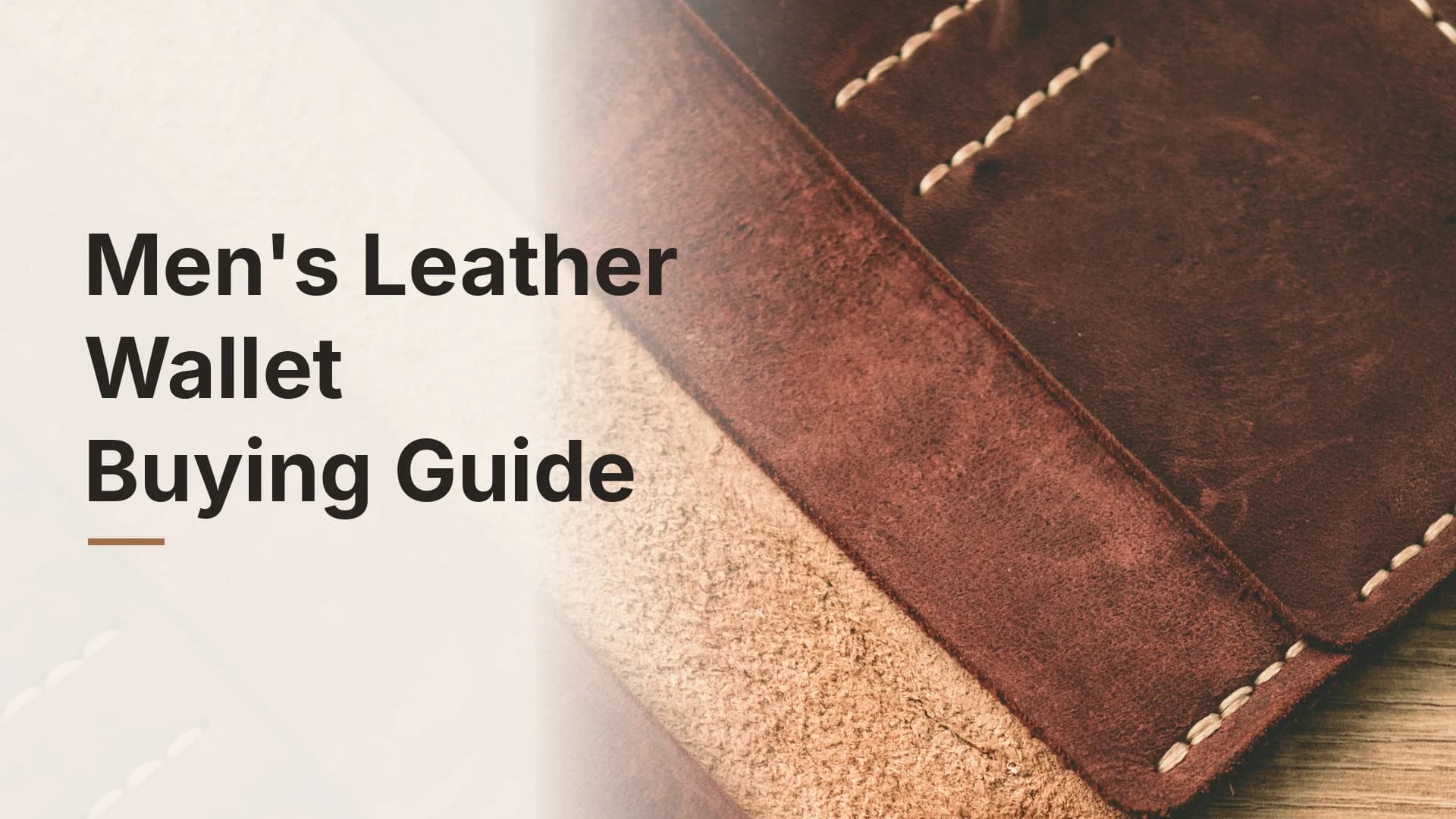
A good leather wallet should last you five years or more. A poor one starts peeling, splitting at the fold or losing its shape within months. The difference isn’t always the price. It’s in details most people never check: the leather grade, the stitching, the edges and the inside.
This guide walks you through everything to check before buying a men’s leather wallet, so you choose one that fits your routine and lasts.
Quick Answer: What Makes a Good Men’s Leather Wallet?
- Full grain or top grain leather, not “genuine”, bonded or PU
- Tight, even stitching with no loose threads
- Smooth, finished edges that don’t peel
- The right style for how you carry (bifold, long wallet or card holder)
- The right capacity, not oversized for what you carry
- A clear exchange policy from the seller
Step 1: Choose the Right Leather
The leather decides how long your wallet lasts and how it ages.
Full grain leather
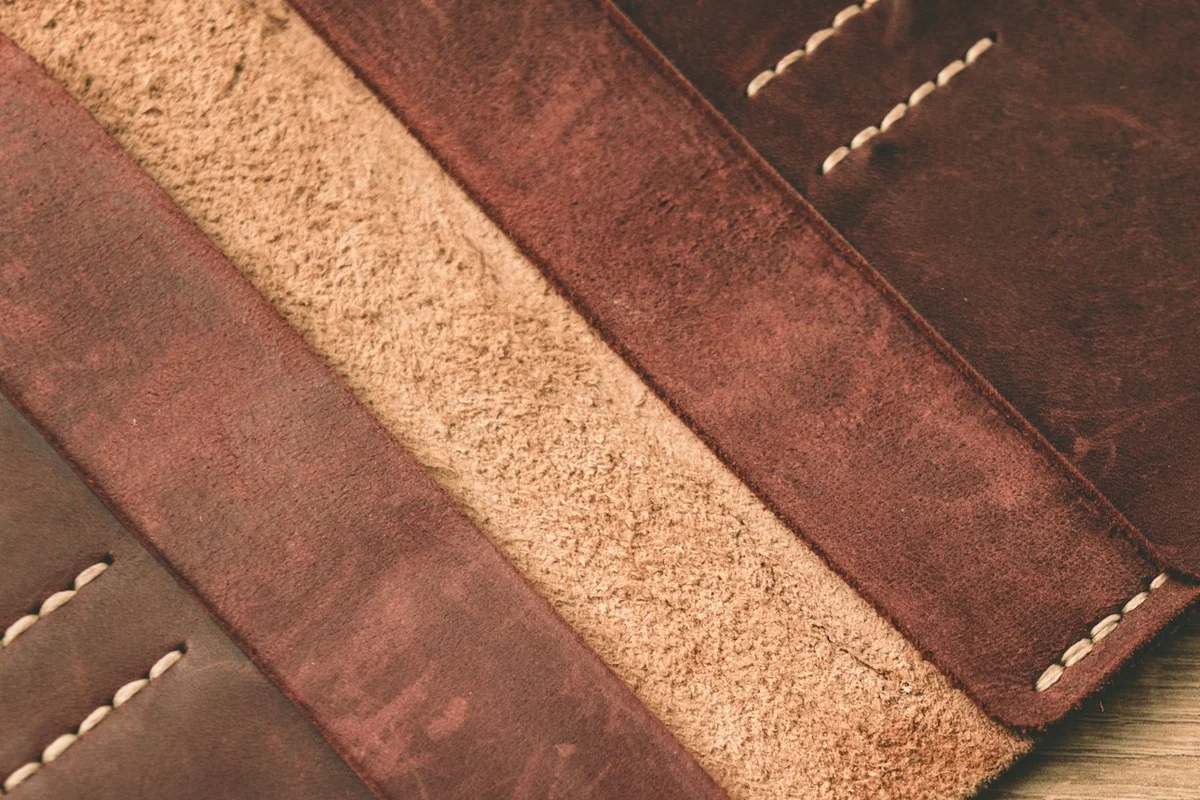
The best choice. It keeps the strongest layer of the hide, resists daily wear and develops a rich patina over time.
Top grain leather
Lightly sanded and coated. Smooth and stain-resistant, and still a good, durable choice.
“Genuine leather”, bonded leather and PU
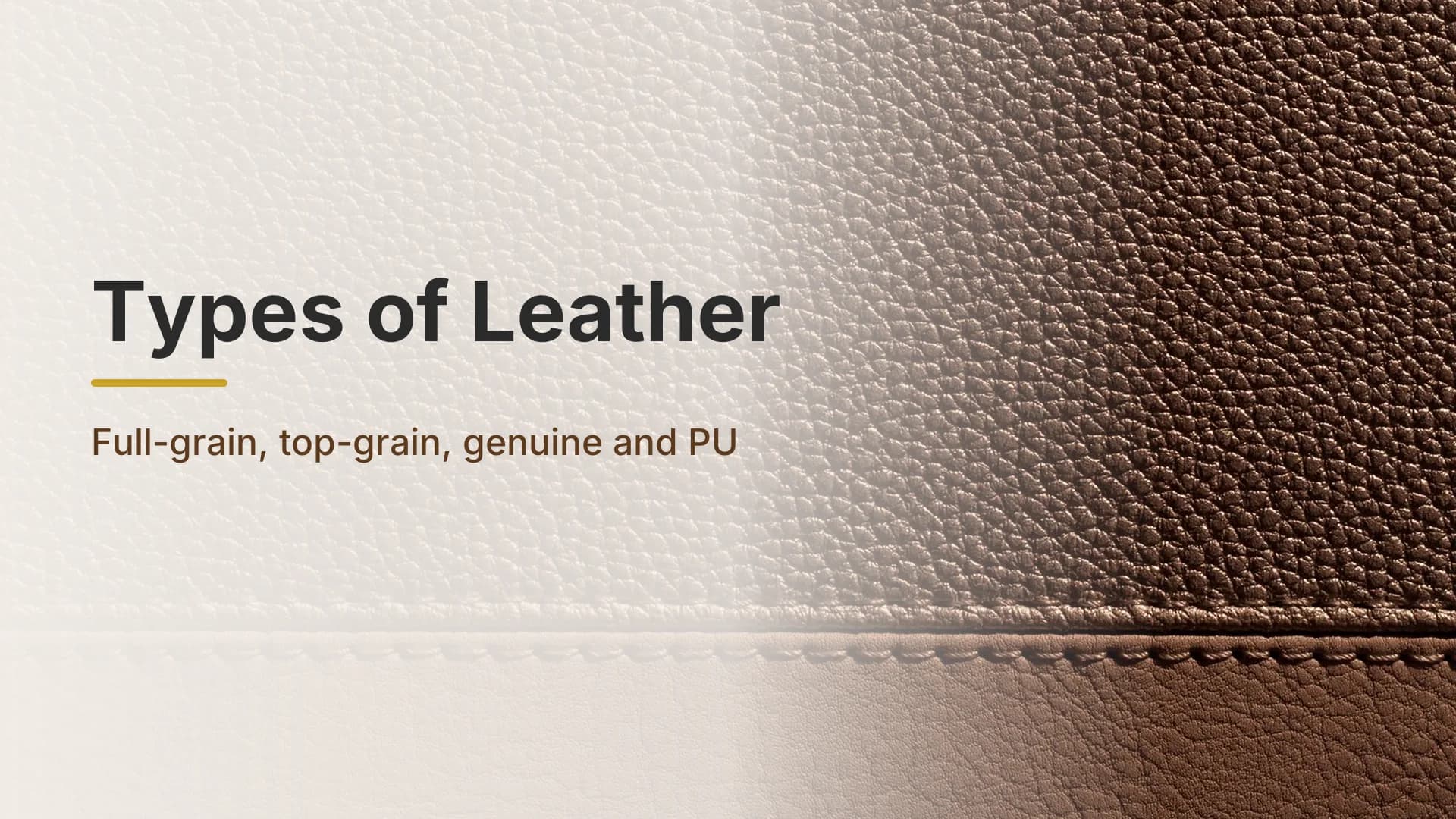
“Genuine leather” often means a lower-grade split. Bonded leather and PU wear out quickly and peel. Learn the differences in our guide to the types of leather.
Step 2: Check the Construction
Stitching
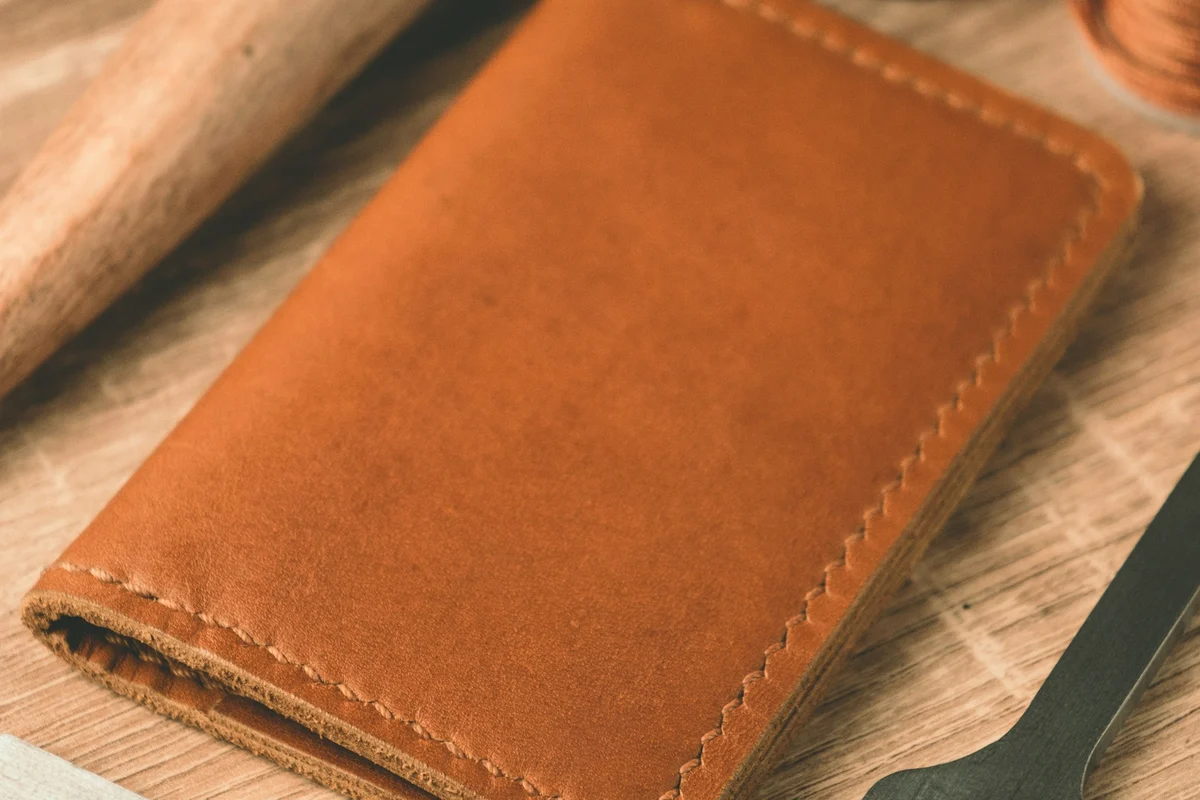
Look for small, even stitches in a straight line. Loose threads, uneven gaps or glued seams are signs of weak construction. Check the stitching at the corners and along the fold, where wallets take the most stress.
Edges
Good wallets have edges that are smoothly sanded, dyed and burnished, or neatly folded and stitched. Thick painted edges that look like plastic can crack and peel.
Inside and lining
Check inside the note section and card slots. Leather interiors last longest. Fabric linings are fine if they’re well stitched and don’t fray.
Card slots
Slots should hold cards firmly but not so tight you struggle to remove them. A real leather slot will stretch slightly over the first few weeks.
Step 3: Pick the Right Style
Your wallet should match how you carry money:
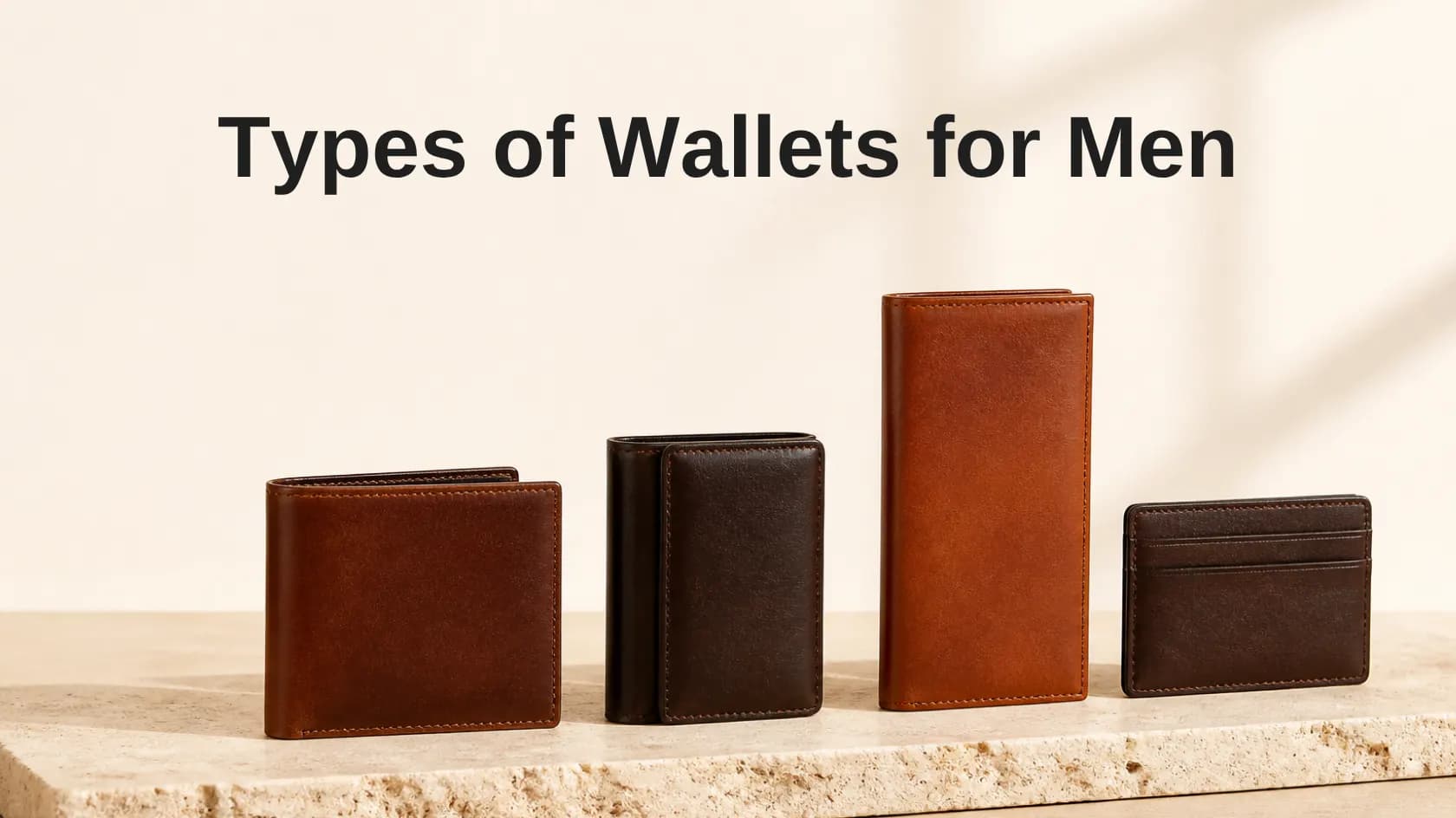
- Bifold: the best all-rounder for cash and a few cards
- Trifold: more card slots, but thicker
- Long wallet (money bag): keeps notes flat, best for cash-heavy days
- Card holder: slim and minimal for mostly digital payments
Not sure which? Our guide to the types of wallets for men compares each one.
Step 4: Get the Size and Capacity Right
Count your cards
Lay out the cards you actually carry every day. Choose a wallet with one or two slots more, not ten.
Think about cash
If you carry Taka notes daily, check that the note section fits a ৳1,000 note without bending. A long wallet keeps notes completely flat.
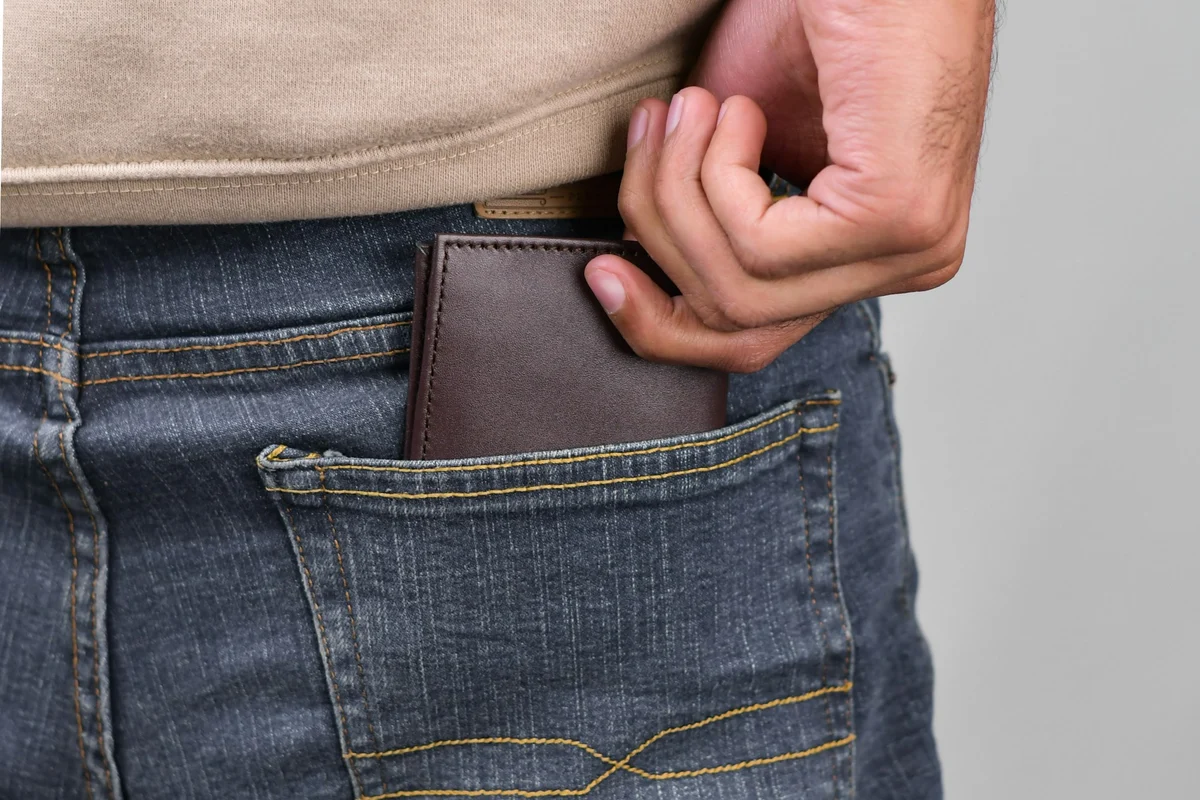
Check pocket fit
A wallet that’s too thick is uncomfortable in a back pocket and easy to lose from a front pocket. Slim wallets suit front pockets and long commutes.
Step 5: Check the Finish and Colour
Colour
Black and dark brown suit almost everyone and hide wear well. Tan and lighter browns show patina beautifully but mark more easily.
Finish
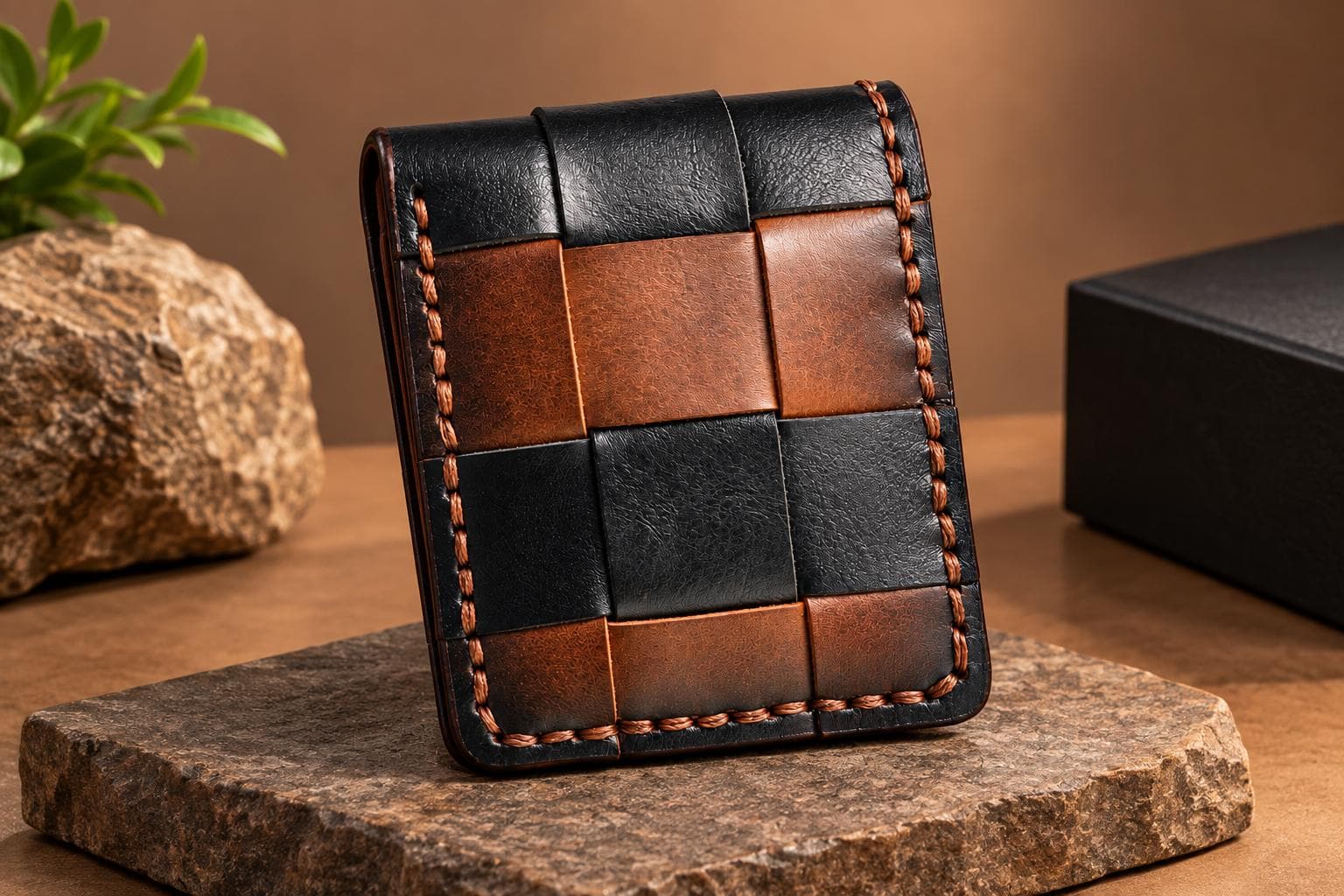
Smooth leather looks smart and is easy to wipe clean. Textured or pebbled leather hides scratches. Woven leather adds character but takes a little more care.
Step 6: Buy From the Right Seller
Especially when buying online in Bangladesh:
- Check that the seller names the leather type, not just “original leather”
- Ask for real photos of the edges and inside
- Look for an exchange policy in case the wallet isn’t what you expected
- Compare prices. A genuine full grain wallet at a very low price is a warning sign.
See our guide on how to identify real leather for checks you can do at delivery.
Leather Wallet Buying Checklist
| Check | What to look for |
|---|---|
| Leather | Full grain or top grain, clearly stated |
| Stitching | Even, tight, no loose threads |
| Edges | Smooth, burnished or neatly folded |
| Inside | Leather or well-stitched lining |
| Card slots | Firm but not too tight |
| Note section | Fits a ৳1,000 note without bending |
| Size | Matches how many cards you carry |
| Seller | Names leather type, offers exchange |
How to Make Your Leather Wallet Last
- Don’t overfill it. It stretches the leather and strains the stitching.
- Clear old receipts every week
- Keep it dry. Don’t leave it in a damp pocket.
- Wipe it with a dry cloth and condition it every few months
In Bangladesh’s humid months, extra care helps. Read our leather care guide for Bangladesh.
Frequently Asked Questions
What is the best leather for a men’s wallet?
Full grain cowhide. It’s the strongest grade, resists daily wear and develops a patina over time. Top grain is a good second choice.
How long should a leather wallet last?
A well-made full grain leather wallet can last five years or more with basic care. PU and bonded leather wallets often start peeling within a year.
Is a bifold or long wallet better?
A bifold suits most men and fits most pockets. A long wallet is better if you carry a lot of cash and want notes kept flat.
How can I tell if a leather wallet is good quality?
Check the leather type, the stitching, the edges and the inside. Even stitching, smooth edges and a clearly stated full or top grain leather are good signs.
What colour leather wallet is best?
Black and dark brown are the most versatile and hide wear well. Tan shows patina beautifully but marks more easily.
Should I buy a wallet with RFID protection?
It’s optional. RFID-blocking wallets protect contactless cards from close-range scanning. If you use contactless cards often, it can give extra peace of mind.
Choose a Wallet That Grows With You
A good leather wallet isn’t just something you carry. It’s something you’ll use thousands of times. Choose quality leather, check the construction, pick the style that fits your routine, and buy from a seller who’s open about what they sell.
When you’re ready, explore REY’s leather wallets.