Good leather can last for decades, but Bangladesh’s climate makes that harder. Months of high humidity, heavy monsoon rain and closed cupboards are perfect conditions for mould, stiffness and stains. Many people find white or green spots on a wallet or bag they haven’t used for a few weeks.
The good news: a few simple habits protect your leather all year. This guide covers everyday care, monsoon protection, how to prevent and remove mould, and how to store leather properly.
Quick Answer: How Do You Care for Leather in a Humid Climate?
- Keep it dry and ventilated. Never store leather in plastic bags or damp cupboards.
- Wipe it regularly with a soft, dry cloth.
- Condition it every 3–6 months so it doesn’t dry out or crack.
- Use silica gel in drawers and storage boxes.
- If mould appears, wipe it with equal parts white vinegar and water, let it air-dry, then condition.
Why Leather Needs Extra Care in Bangladesh
Humidity and mould
Leather is a natural, porous material. It absorbs moisture from the air, and when humidity stays high, mould spores grow on its surface. Mould generally grows when indoor humidity stays above about 60%, which is common in Bangladesh for much of the year.
Rain and sweat
Monsoon rain, sweaty pockets and damp hands all add moisture. Water left to dry slowly in a closed space is the main cause of mould and water stains.
Dry winters
From November to February, the air is drier. Leather can lose its oils, feel stiff and develop small cracks if it’s never conditioned.
Everyday Leather Care: The Basics
Wipe it regularly
Once a week, wipe your wallet, belt or bag with a soft, dry cloth to remove dust, sweat and oils.
Condition every few months
Apply a small amount of leather conditioner with a cloth every 3–6 months, or whenever the leather looks dry. Rub it in gently and buff it off.
Let it rest
If you use the same wallet or shoes every day, give them occasional rest days so moisture from use can evaporate.
Keep it away from direct heat
Don’t leave leather near heaters, stoves or in strong direct sun for long. Heat dries the leather and can cause cracks.
How to Protect Leather During the Monsoon
If your leather gets wet
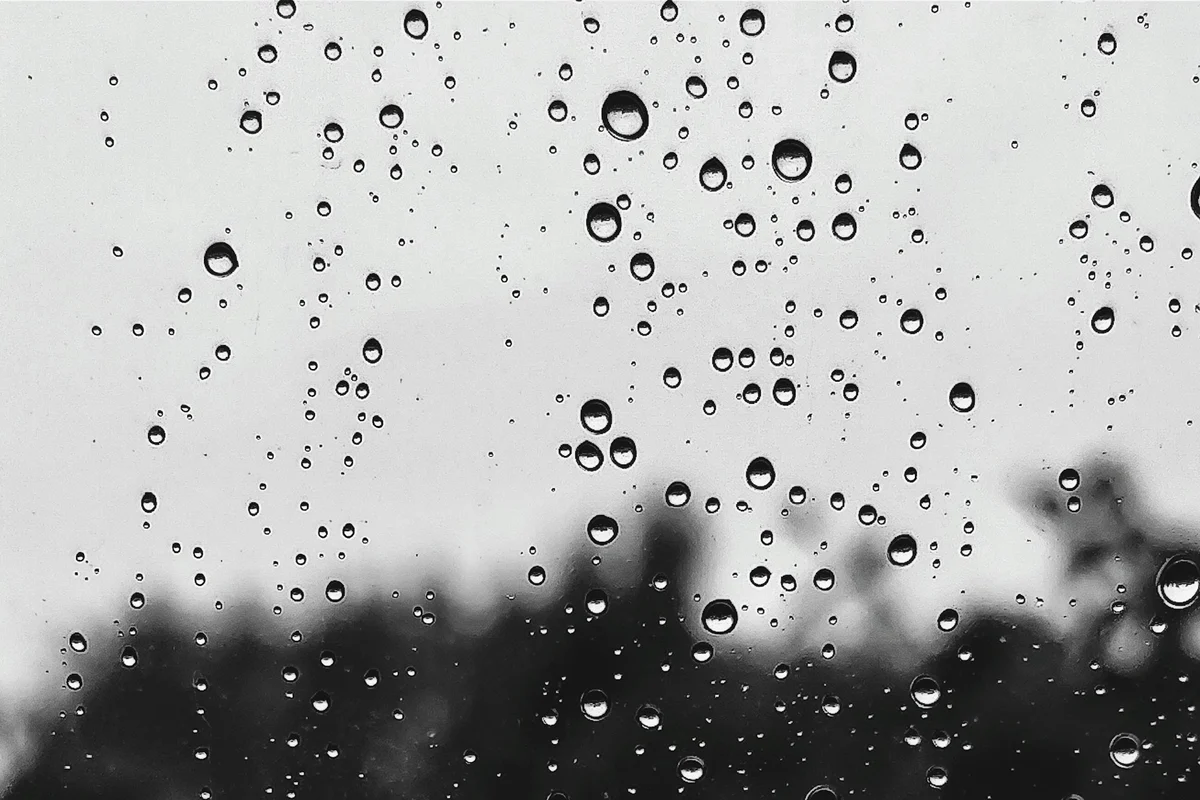
- Wipe off surface water with a soft, dry cloth straight away.
- Stuff bags or shoes with plain paper to absorb moisture and hold their shape.
- Let it dry naturally at room temperature, in a ventilated spot.
- Don’t use a hair dryer, iron or direct sun to speed it up.
- Once dry, apply a little conditioner.
Keep it dry and ventilated
- Carry a small cloth or zip pouch for your wallet on rainy days
- Don’t keep a damp wallet in your back pocket for hours
- Run a fan in rooms where you store leather
How to Prevent Mould on Leather
Store it right
Keep leather in a cool, dry, ventilated place. Use cotton dust bags, not plastic, which traps moisture.
Use silica gel
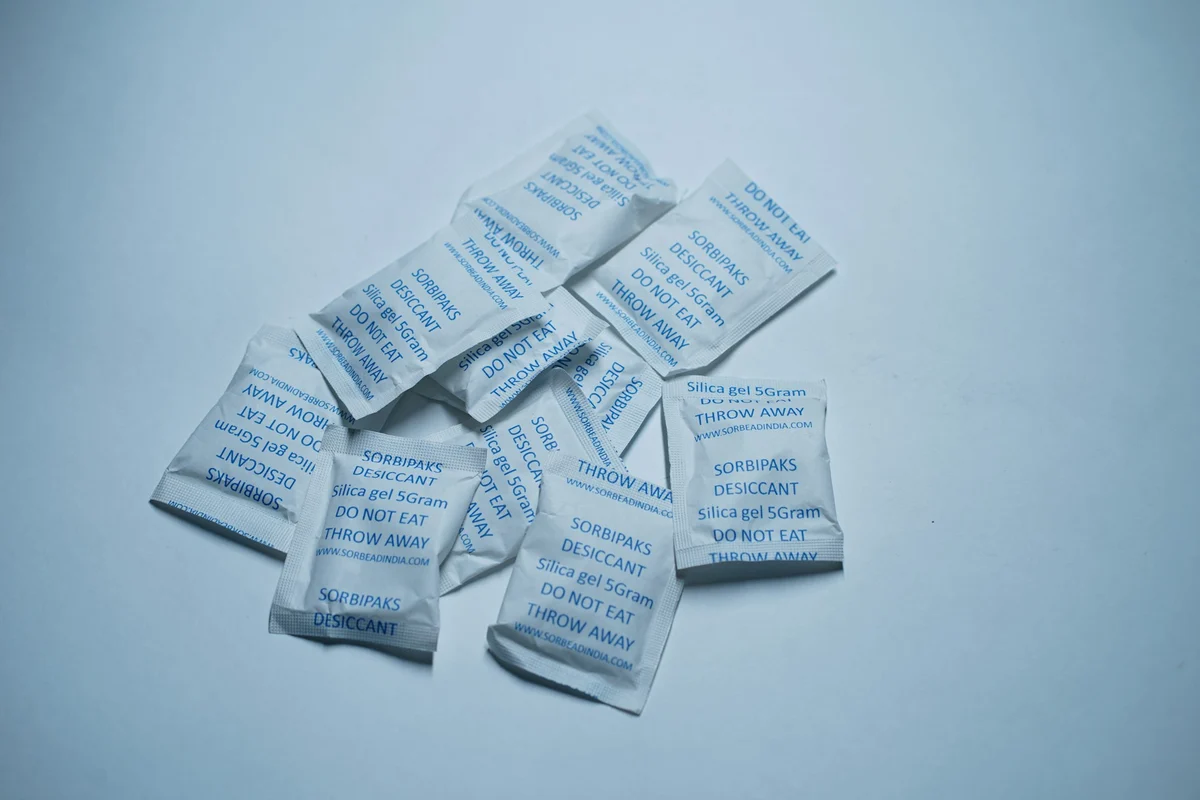
Put silica gel packets in drawers, wardrobes and bags. They absorb moisture from the air. Replace or dry them out regularly.
Check stored items
During the monsoon, check leather you aren’t using every week or two. Catching mould early makes it much easier to remove.
Keep the room dry
A fan, open windows on dry days, or a dehumidifier in a closed room all help keep humidity down.
How to Remove Mould From Leather
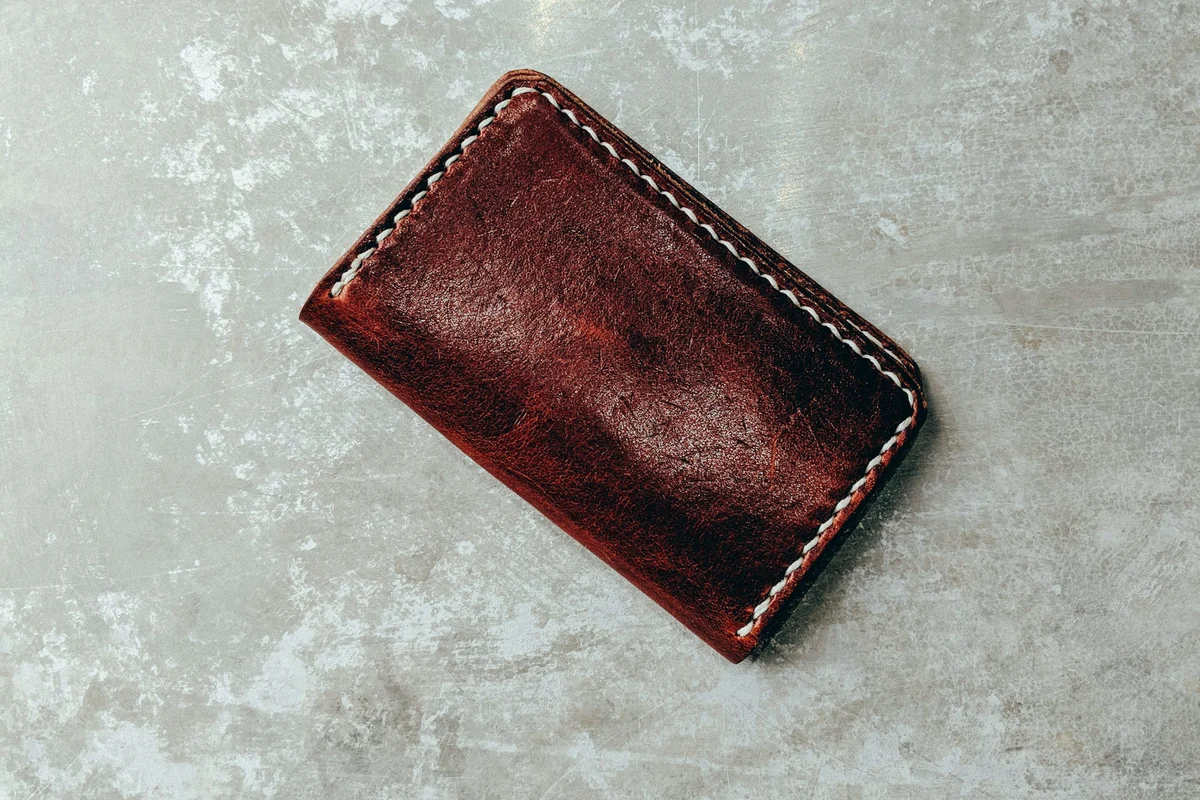
What you need
- Two soft, clean cloths
- White vinegar and water (equal parts), or rubbing alcohol diluted with water
- Leather conditioner
Step-by-step
- Take it outside so spores don’t spread indoors.
- Brush off loose mould gently with a soft brush or dry cloth.
- Test your solution on a small hidden spot first.
- Wipe the mouldy area with a cloth lightly dampened in the vinegar solution. Don’t soak the leather.
- Let it air-dry completely in a ventilated, shaded place.
- Condition the leather to restore oils lost during cleaning.
- Fix the cause: move it to a drier spot or add silica gel.
When to get help
If mould has spread deep into the leather, keeps coming back, or the item is valuable, take it to a professional leather cleaner.
Care Tips by Product
Wallets
Empty old receipts regularly, wipe the outside, and don’t keep a wallet in a damp pocket overnight. For wallet styles, see the types of wallets for men.
Belts
Hang belts or roll them loosely. Don’t leave them tightly bent at the buckle, and wipe off sweat after hot days. For fit, see our belt size guide.
Bags
Empty them before storing, stuff them with paper to keep their shape, and keep them in a cotton dust bag.
Shoes
Use shoe trees or newspaper after wearing, rotate pairs, and polish or condition regularly.
Jackets
Hang on a wide hanger in a ventilated wardrobe. Never store a leather jacket in plastic.
Leather Care Mistakes to Avoid
| Don’t | Do instead |
|---|---|
| Store leather in plastic bags | Use cotton dust bags |
| Dry wet leather in the sun or with a hair dryer | Air-dry at room temperature |
| Soak leather in water | Use a lightly damp cloth |
| Use household detergents or bleach | Use mild soap or a leather cleaner |
| Never condition it | Condition every 3–6 months |
| Ignore small mould spots | Clean them straight away |
How to Store Leather When You’re Not Using It
- Clean and condition it first
- Wrap it in a cotton bag or soft cloth
- Add a silica gel packet
- Keep it in a ventilated cupboard, not a sealed box
- Check it every few weeks during the monsoon
Frequently Asked Questions
How do I stop my leather wallet from getting mould?
Keep it dry, don’t store it in plastic, add silica gel to the drawer, and wipe it regularly. Don’t leave a damp wallet in your pocket for long.
How do I remove mould from leather at home?
Brush off loose mould outside, wipe the area with equal parts white vinegar and water on a lightly damp cloth, let it air-dry, then apply leather conditioner.
Can I dry wet leather in the sun?
It’s better not to. Direct sun and heat can dry out and crack leather. Let it dry naturally at room temperature in a ventilated spot.
How often should I condition leather?
Every 3–6 months, or whenever it looks dry. More often in dry winter months.
What can I use instead of leather conditioner?
A dedicated leather conditioner is best. Avoid cooking oils, which can go rancid and darken the leather.
Does real leather get mould more than PU?
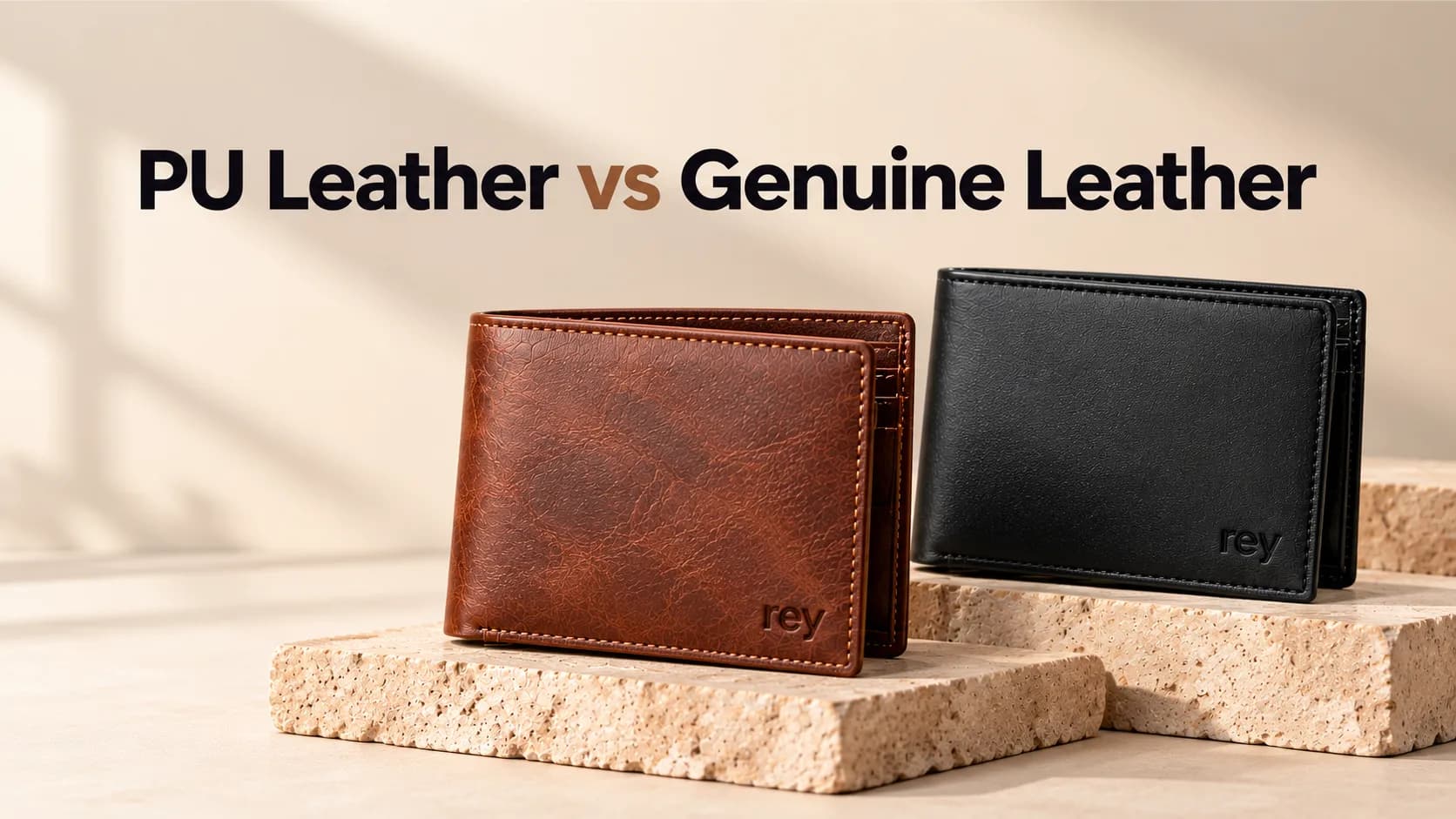
Real leather is natural and porous, so it can absorb moisture and grow mould if stored badly. With simple care, it lasts far longer than PU. Learn more in our guide to PU leather vs genuine leather.
Care for It and It Will Last
Leather and humidity don’t have to be enemies. Keep it dry, let it breathe, condition it a few times a year and check it during the monsoon. With these habits, a good leather wallet or belt can stay with you for many years.
Want to understand your leather better? Read our guide to the types of leather, and explore REY’s leather wallets and belts when you’re ready.